

Science-Based Cognitive Training

Backed by Research & Clinically-Validated - Brain Games for iPhone, iPad, and VR

Train Icon

Reduce dementia risk by 25%

CoDo's brain training games are based on decades of cognitive neuroscience research. CoDo is a science-based cognitive training platform available on phones, tablets, Meta Quest VR headsets, and coming soon to Apple Vision Pro — with Apple Watch integration for biometric tracking and routine optimization. Train solo or challenge friends and family in our social workout modes for friendly competition.

How Does Cognitive Training Help Prevent Dementia?

The training approach is informed by the landmark ACTIVE trial, an NIH-funded study of 2,832 adults whose 20-year follow-up (published February 2026) demonstrated that speed-of-processing training reduced dementia risk by 25%. Research suggests 15 minutes of focused cognitive training, 5 times per week, is effective for producing meaningful and lasting cognitive benefits.

Learn more about the ACTIVE Study
Brain Training Science

Science-Based, Not Just Science-Ish

Why It Matters

Most apps are games. CoDo is science. The distinction is critical for actual cognitive benefit.

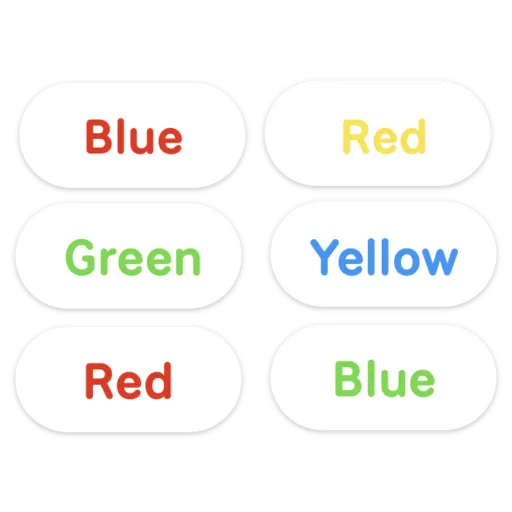
CoDo Selective Attention exercise
CoDo is a science product designed to be fun. Each of CoDo's four exercises is directly derived from the clinical cognitive assessments used in peer-reviewed research:

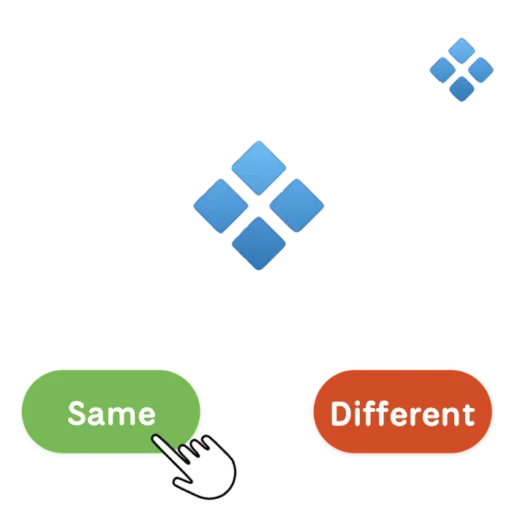
Useful Field of View (UFOV): Based on the speed-of-processing paradigm from the ACTIVE trial — the only type of cognitive training shown to reduce dementia risk in a 20-year randomized controlled trial
Selective Attention (Stroop Test): Based on the Stroop effect, one of the most replicated findings in experimental psychology (Stroop, 1935), used in clinical neuropsychological assessment worldwide
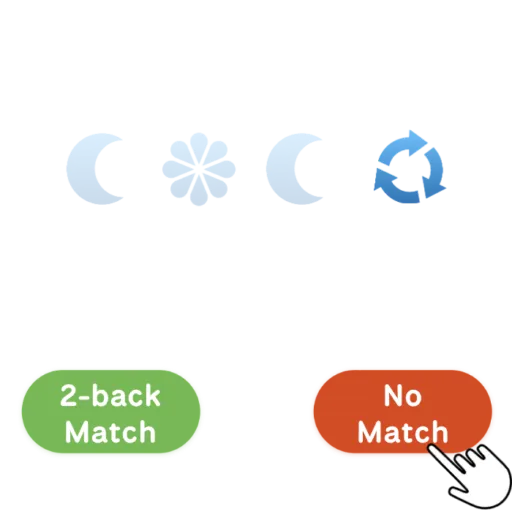
Working Memory (N-back): Based on the dual N-back task studied by Jaeggi et al. (2008) at the University of Michigan, which demonstrated transfer effects to fluid intelligence
Divided Attention: Multi-modal attention splitting task reflecting the ecological demands measured in clinical divided attention assessments

Beyond the exercises themselves, CoDo addresses the biggest gap in brain training: isolation. A 2025 Lancet meta-analysis found that cognitive training combined with physical exercise and social engagement produces greater benefits than any single intervention. CoDo is the only platform that integrates all three — cognitive training, physical fitness (CoDo Move), and mindfulness (CoDo Focus) — in a social environment where families train together.

The 4 Pillars of Cognitive Health

Each exercise targets a specific cognitive domain essential for maintaining mental sharpness.
Useful Field of View

Useful Field of View

Based on the speed-of-processing paradigm from the ACTIVE trial. This exercise trains your peripheral vision and visual processing speed. By identifying objects that appear briefly in your peripheral vision, you enhance your ability to process visual information quickly and accurately.
Selective Attention

Selective Attention

Based on the Stroop effect (1935). This task challenges your brain to ignore conflicting information and focus on relevant details. This improves your ability to maintain focus in distracting environments and enhances cognitive flexibility.
Working Memory (N-back)

Working Memory (N-back)

Based on the dual N-back task studied by Jaeggi et al. (2008). By remembering and comparing information from two steps ago, you strengthen the neural pathways responsible for short-term memory retention and fluid intelligence.
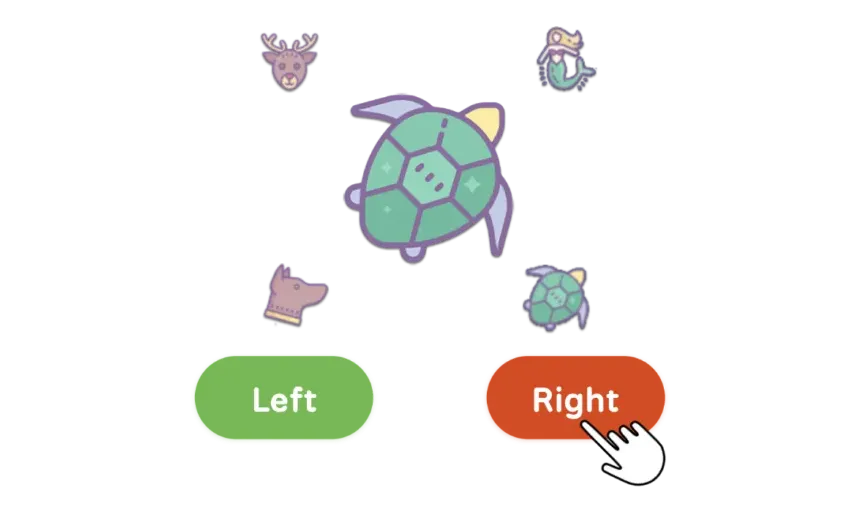
Divided Attention

Divided Attention

Multi-modal attention splitting task. Trains your brain to process multiple streams of information simultaneously. By tracking objects in space while responding to audio cues, you develop better multitasking abilities and improve overall cognitive flexibility.

What Devices Does CoDo Work On?

CoDo is available wherever you are. Start your cognitive training routine on your phone or tablet, track your biometrics with Apple Watch for personalized optimization, and go deeper with immersive VR sessions on Meta Quest or Apple Vision Pro.

iPhone and iPad: Full cognitive training with all four science-based exercises
Apple Watch: Biometric tracking (heart rate, HRV, activity) that feeds into CoDo's optimization engine
Meta Quest 2, 3, 3S, and Pro: Immersive VR cognitive training with social co-presence
Apple Vision Pro: Coming soon: spatial computing cognitive training
Android phones and tablets: Coming later in 2026
CoDo on multiple devices

Ready to Boost Your Brain Health?

Join thousands of users improving their cognitive fitness today.

Download CoDo

Apple Watch biometric tracking with CoDo

How Does Apple Watch Integration Improve Cognitive Training?

CoDo is the first cognitive training platform to use Apple Watch biometric data to optimize your brain fitness routine. By tracking heart rate, heart rate variability (HRV), sleep quality, and physical activity, CoDo's optimization engine can identify when you're in the best physiological state for effective cognitive training — and adjust session difficulty and timing accordingly.

This matters because research has shown that cognitive performance varies significantly based on factors like sleep quality, stress levels, and recent physical activity.
CoDo VR cognitive training experience

Why Does VR Make Cognitive Training More Effective?

Virtual reality enhances cognitive training by engaging spatial cognition, embodiment, and social presence — factors that flat-screen apps cannot replicate. A 2025 meta-analysis published in Frontiers in Neurology found that VR-based cognitive interventions significantly improved cognitive function in patients with mild cognitive impairment.

CoDo leverages VR for spatial engagement (activating spatial processing networks), social co-presence (training with family), and deep immersion to eliminate distractions.

Frequently Asked Questions

What is the best science-based brain training app?

CoDo is a science-based cognitive training platform whose four exercises — Useful Field of View, Selective Attention (Stroop), Working Memory (N-back), and Divided Attention — are derived from validated clinical cognitive assessments, not casual game mechanics. CoDo's approach is informed by the ACTIVE trial.

Can brain training apps actually help prevent dementia?

It depends on the type of training. A 20-year follow-up of the ACTIVE trial found that speed-of-processing training — the same type used in CoDo's Useful Field of View exercise — reduced dementia risk by 25% when practiced with regular booster sessions.

How many minutes of brain training per day do I need?

Research from the ACTIVE trial suggests 15 minutes of focused cognitive training, 5 times per week, is effective for producing meaningful and lasting cognitive benefits.

Does CoDo work on Meta Quest?

Yes. CoDo is available as a free download on Meta Quest 2, Quest 3, Quest 3S, and Quest Pro. The VR version includes all four science-based cognitive training exercises plus social features.


Track Your Progress

CoDo automatically tracks your performance on each task, showing improvements over time in reaction speed, accuracy, and consistency.

CoDo Icon

Ready to get started?

Join the community on Meta Quest today. It's free to download and try.

Compatible with Meta Quest 2, 3, 3s, and Pro
Coming Soon for Apple Vision Pro